
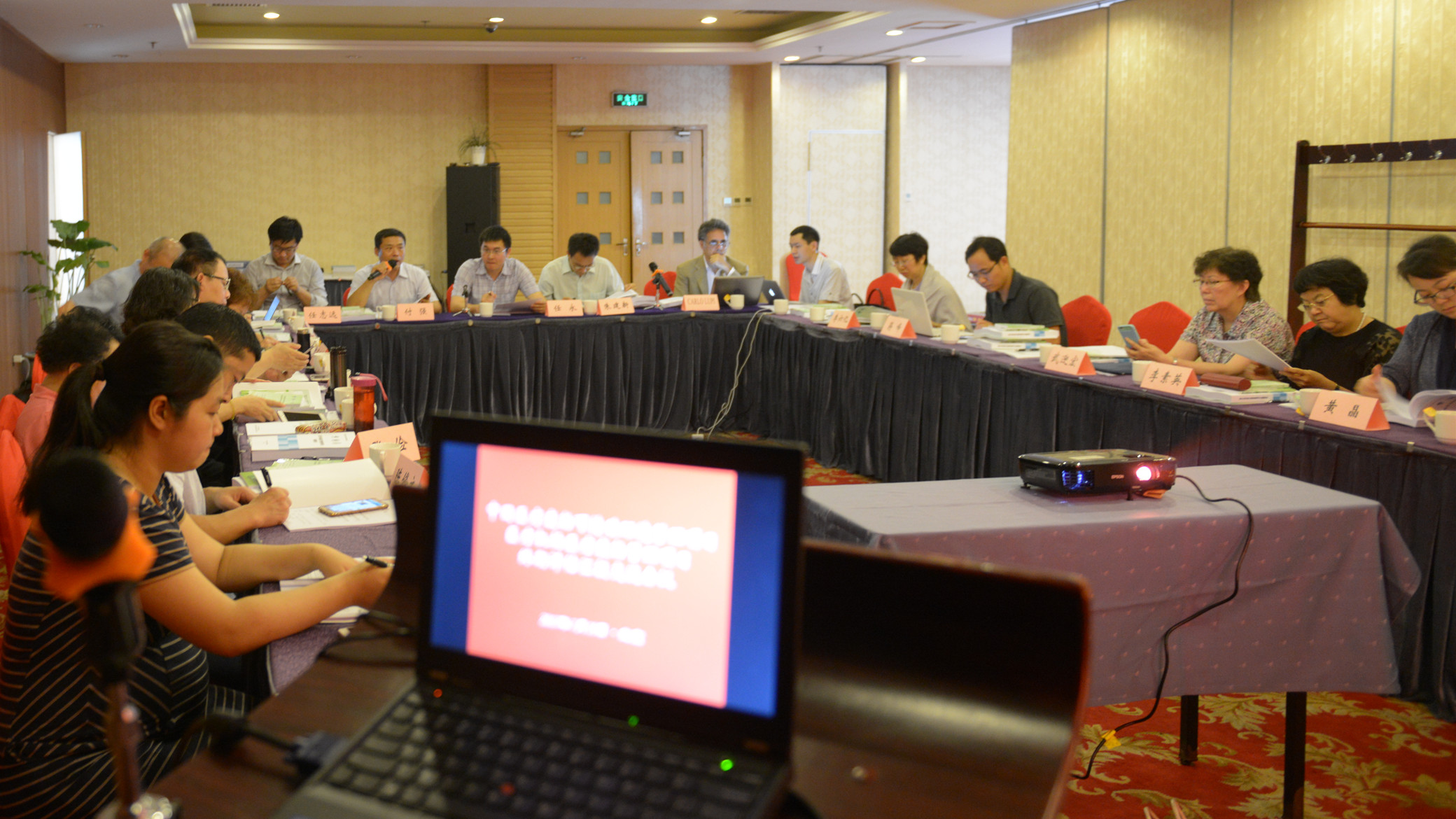
Environmental policies and strategies
My work in environmental policy and legislation has focused on building the regulatory foundations that make sustainability actionable. I have supported governments and international organizations in developing national frameworks for chemicals, waste, and circular economy, including extended producer responsibility, pollutant release and transfer registers, and mercury and POPs management. Working with UN agencies, private clients and national ministries, I contributed to drafting environmental laws, evaluating projects and policies, and aligning national systems with international conventions. This long engagement has given me a practical understanding of how policy, law, and implementation interact — and how clear, evidence-based regulation can become a driver of environmental progress.(Written by Carlo Lupi — PopChemicals.org)
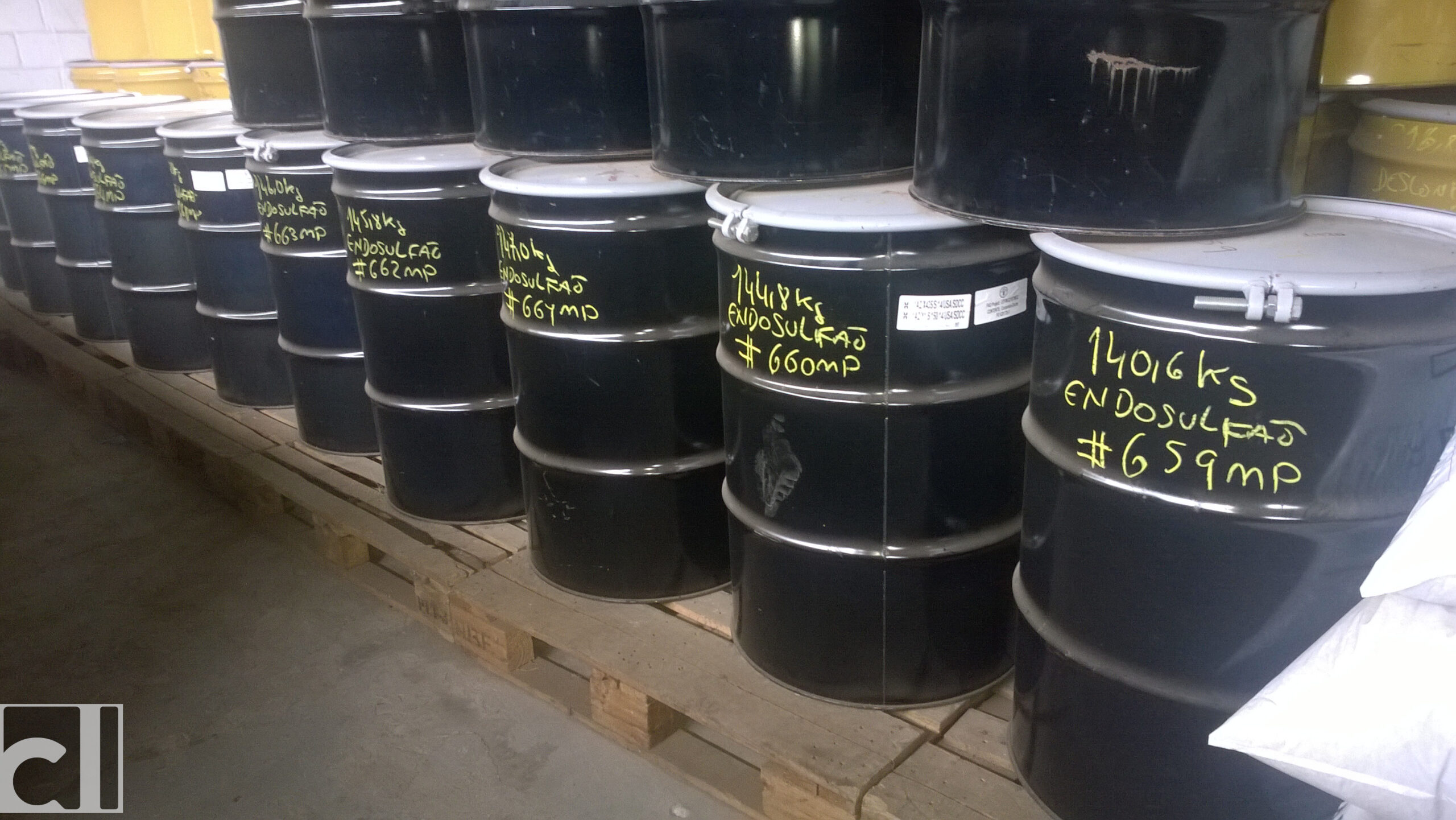
Chemicals and Waste
My early years at the Italian National Institute of Health in environmental modeling and toxicology provided a strong scientific foundation to my work on chemicals and waste. That research experience shaped my approach to environmental challenges, combining quantitative analysis with practical decision-making.
Over the following decades, I have supported governments, industries, and UN agencies in reducing the impact of hazardous chemicals and waste. Much of my work has focused on persistent organic pollutants (POPs), PCBs, mercury, and hazardous industrial waste — helping countries design and implement GEF-funded projects under UNDP, UNIDO, and other agencies. These assignments have covered the development of national inventories, regulatory frameworks, and environmentally sound technologies for safe treatment, recycling, and disposal.
I have also contributed to initiatives on healthcare waste, e-waste, and plastic pollution, linking technical solutions with policy reform and circular economy principles. My goal has always been to translate scientific knowledge into effective action — building systems and capacities that prevent pollution, protect health, and enable sustainable industrial growth. (Written by Carlo Lupi — PopChemicals.org)


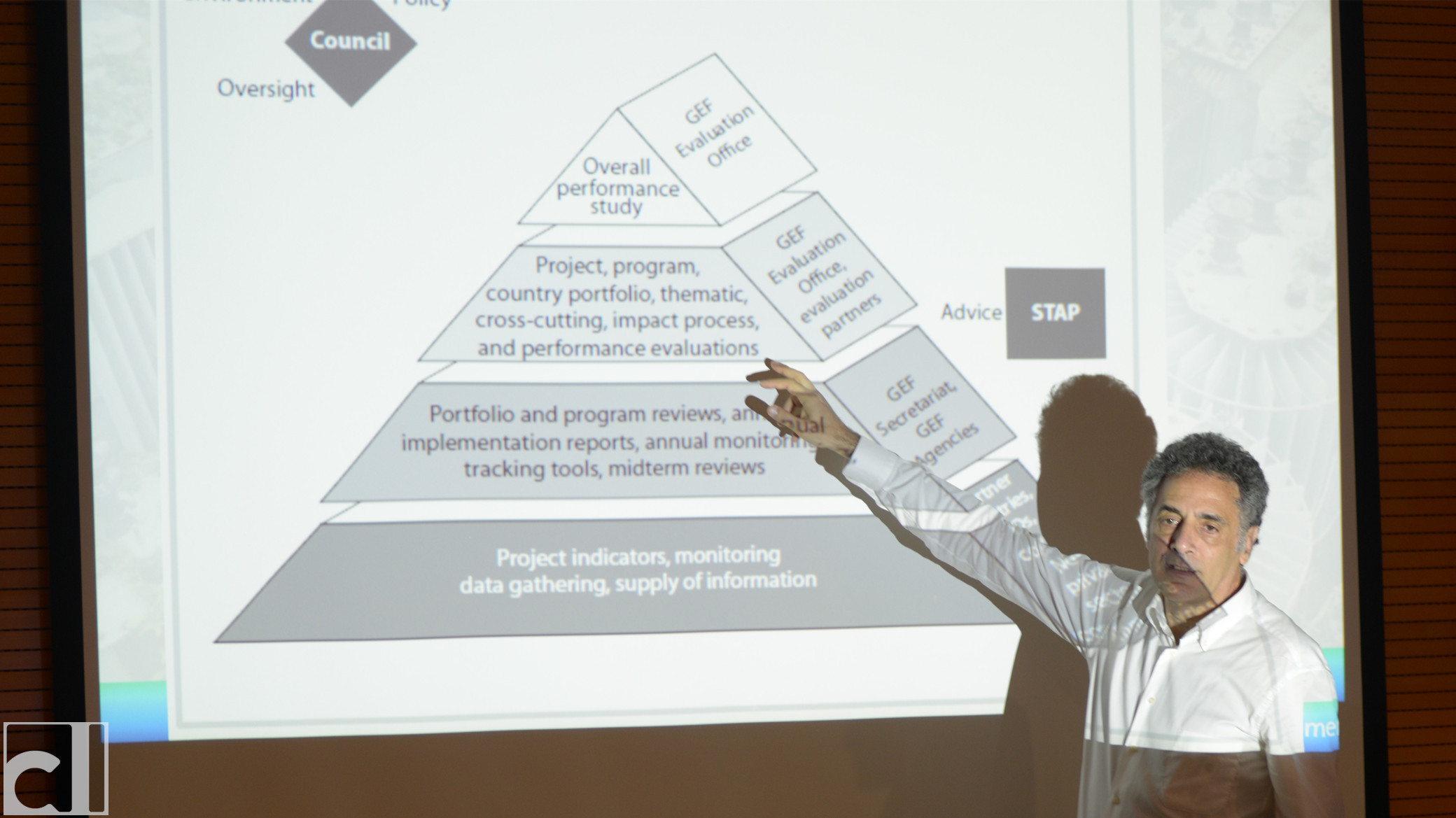
Project development and evaluation.
My professional path has always been closely linked to the development and evaluation of environmental projects. Over the years, I have guided the full project cycle — from concept design and strategic framing to implementation support and independent evaluation. Much of my work has focused on the Global Environment Facility (GEF), where I have led the formulation of Project Identification Forms, CEO Endorsement requests, and full-size project documents for UNDP, UNIDO, and other implementing agencies.
I have coordinated multi-country teams to translate complex scientific and policy goals into coherent project frameworks, integrating technical soundness, financial feasibility, and compliance with GEF and agency standards. This has included drafting theories of change, logical frameworks, environmental and social safeguards, and gender and stakeholder engagement plans.
In my evaluation work, I have assessed projects implemented by various institutions and several countries — excluding those I personally designed or contributed to implement, focusing on environmental effectiveness, institutional performance, and lessons for replication. That offered me the opportunity to connect technical rigour with the human dimension of development. (Written by Carlo Lupi — PopChemicals.org)
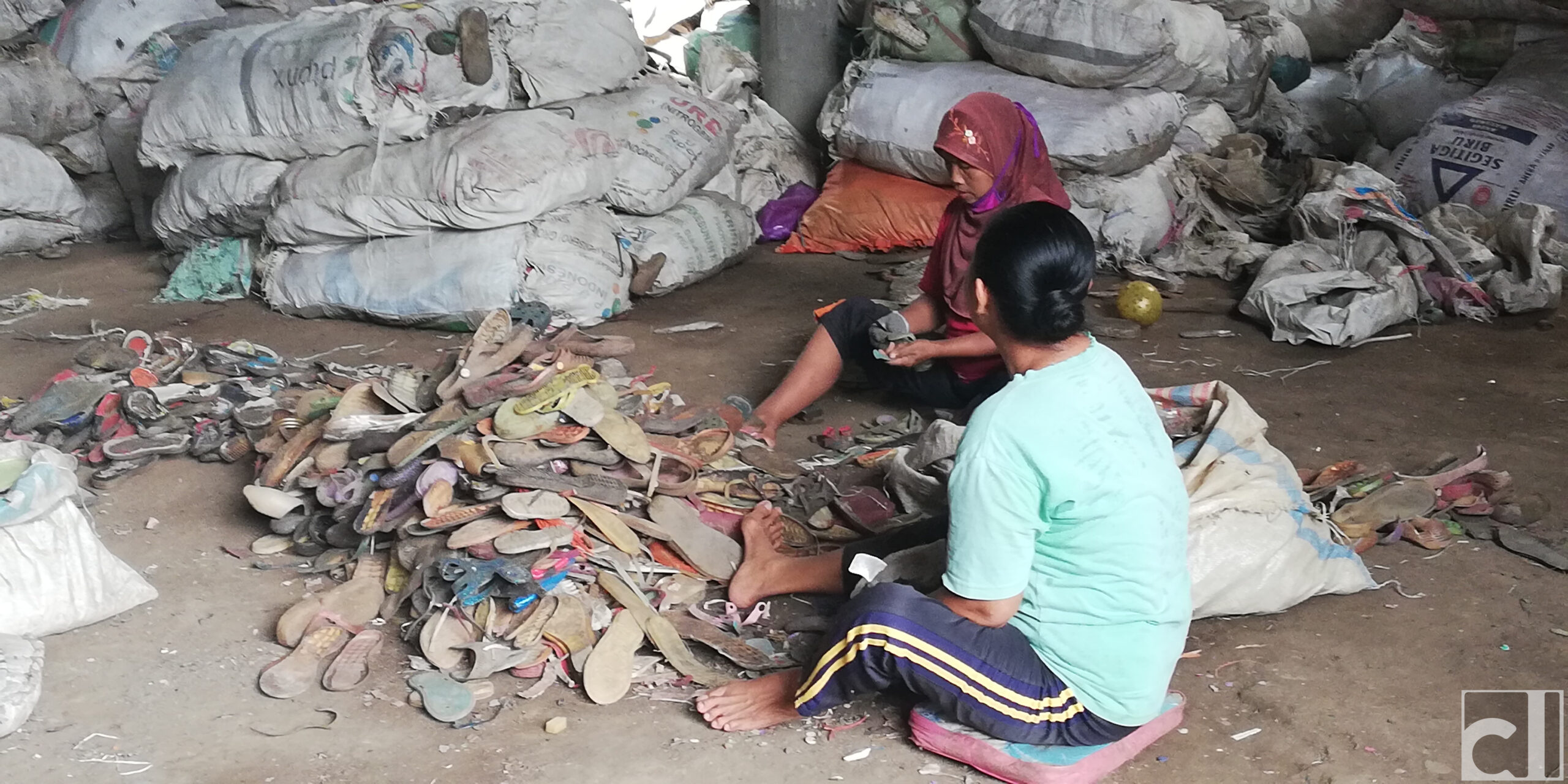
Circular Economy
My engagement with the circular economy grew naturally from my earlier work on chemicals and waste. Over the years, I have supported governments and organizations in shaping practical and science-based approaches to circularity — linking policy, technology, and business models. Under thwo UNDP projects, In Viet Nam, I contributed to the drafting of the new Circular Economy provisions of the Environmental Protection Law and to the development of the national roadmap, indicators, and guidance documents, whilst In the Philippines, I assisted the Ministry of Environment in preparing the National Framework for Extended Producer Responsibility and the implementing rules of the EPR Act, which marked a significant step toward circular management of packaging waste. I have also advised multinational clients on corporate “plastic neutrality” strategies, integrating awareness, cleanup, recycling, and energy recovery actions.
More recently, with UNIDO, I have contributed to the ideation and the development of the Global Electronics Management Programme, introducing forward-looking concepts such as reduction of programmed obsolescence, the right to repair, and urban mining. My current work continues to focus on circular design and resource efficiency as essential pathways to sustainability.(Written by Carlo Lupi — PopChemicals.org)